Source Adjustable Pulse Fast Closing Valve for Gas, Water, Oil
Find 19 adjustable pulse fast closing valve options with varying pressure ranges and materials. Buyers can compare specifications for gas, water, and oil applications to select the right valve for industrial usage.
Key considerations
Products List


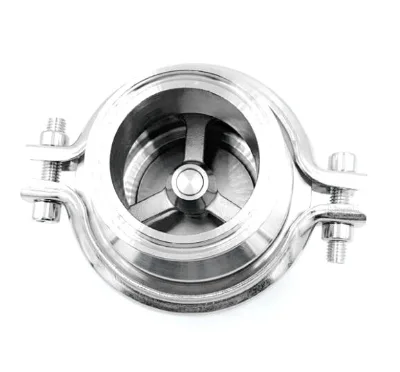
Comprehensive Sourcing Guide
Adjustable Pulse Fast Closing Valve Sourcing Guide
Procuring adjustable pulse fast closing valves requires a nuanced understanding of both the mechanical actuation mechanisms and the specific fluid dynamics involved in your pipeline systems. These valves are engineered to manage rapid flow changes, mitigating the destructive forces of water hammer while maintaining precise control over gas or liquid media. The "pulse" structure indicates a design that likely utilizes intermittent or rapid-opening/closing cycles, which demands robust internal components to withstand mechanical fatigue. Buyers must distinguish between standard check valves and those specifically designed for pulse applications, as the latter often feature specialized damping or resistance mechanisms to ensure smooth operation under high-frequency cycling conditions.
The sourcing landscape for these components is diverse, with manufacturers primarily located in industrial hubs such as Cixi and Ningbo in China. Listings indicate a wide range of models, from the SY-FW series to more traditional butterfly and gate valve configurations, suggesting that the term "adjustable pulse" may encompass a variety of structural designs. It is critical to verify whether the specific valve you are sourcing is intended for gas or water applications, as the material compatibility and sealing technologies differ significantly between these media. The observed product attributes highlight a mix of ordinary temperature ratings and adjustable pressure ranges, which must be cross-referenced with your system’s operational parameters to ensure compatibility and safety.
Product Scope and Observed Listing Signals
The current market listings reveal a broad spectrum of valve types that may be categorized under the umbrella of fast-closing or check valves, though not all possess the specific "pulse" structure. For instance, models like the SY-FW2-028, SY-FW4-8064, and SY-FW4-8004 are listed with a pulse structure and thread connections, indicating their suitability for smaller diameter gas applications. These units are described as having adjustable pressure ranges up to 15 kPa, which is a key specification for pulse-controlled systems. Buyers should note that while these models share the pulse attribute, they are distinct from the larger butterfly check valves, such as the Hh49X-10q-DN600, which are designed for water industrial usage and feature a slow-closing mechanism to prevent water hammer rather than a pulse action.
Another significant segment of the observed listings includes marine quick closing valves and lubricant oil check valves, which operate under different pressure and medium constraints. The marine valves, for example, are packed in plywood and may adhere to normal standards, while the lubricant oil valves specify a cylinder working pressure of 0.3 to 0.7 MPa and nominal diameters ranging from DN20 to DN150. These variations underscore the importance of not assuming that all "fast closing" valves are interchangeable. The presence of both unidirectional flow attributes and specific media types like gas, water, and fuel oil in the same search results indicates that buyers must carefully filter listings based on the exact chemical and physical properties of the medium they intend to control.
Technical Specifications to Verify
When evaluating technical specifications, the first priority is confirming the valve structure and connection type. The pulse structure, as seen in the SY-FW series, typically involves a specific internal mechanism that allows for rapid, controlled closure, often utilizing rubber lobes or silence features to reduce noise and vibration. Buyers must verify if the valve uses a thread connection for smaller sizes or a flange connection for larger industrial applications, as seen in the DN600 butterfly check valve. The nominal diameter and pressure rating are equally critical; for example, the Hh49X-10q-DN600 model is rated for PN10 pressure and operates within a temperature range of 0℃ to 80℃, which defines its operational envelope. Misalignment between your system’s pressure and temperature requirements and the valve’s rated limits can lead to premature failure or safety hazards.
Material composition and internal component quality are also vital verification points. The observed listings mention materials such as cast iron, ductile iron, and stainless steel combined with rubber. For water applications, the use of ductile iron bodies with stainless steel and rubber internal components offers a balance of strength and corrosion resistance. In contrast, gas applications may require different sealing materials to ensure airtight integrity. The "micro resistance" feature mentioned in some slow-closing valves is designed to minimize head loss, which is a crucial efficiency factor in long pipeline runs. Buyers should request detailed material certificates and cross-section diagrams to confirm that the internal components, such as the seal surface or wedge gate, are compatible with the specific media and pressure conditions of their installation.
Compliance and Safety Documentation
Compliance with international and regional standards is a non-negotiable aspect of sourcing industrial valves. The observed listings frequently cite certifications such as CE, ISO, RoHS, and GS, which indicate adherence to European safety, environmental, and quality management standards. For buyers operating in regulated industries, verifying the specific ISO standard, such as ISO9001 for quality management systems, is essential to ensure consistent manufacturing quality. Additionally, the mention of GB standards suggests that some products may be manufactured to Chinese national standards, which buyers should cross-reference with their local regulatory requirements to ensure equivalence or acceptance. It is important to note that while certifications are listed, buyers must request valid, up-to-date certificates for the specific model being purchased, as certification status can vary by production batch or supplier.
Safety documentation should also include detailed technical data sheets that outline the valve’s performance under stress conditions. For fast-closing valves, this includes data on closing time, pressure surge mitigation capabilities, and fatigue life cycles. The "slow closing" feature in butterfly check valves is specifically designed to prevent water hammer, a phenomenon that can cause catastrophic pipe failures. Buyers should verify that the valve’s closing mechanism is adjustable or calibrated to match the specific inertia and pressure characteristics of their pipeline system. Furthermore, for valves used in marine or fuel oil applications, additional safety certifications related to explosion-proofing or fire resistance may be required, and these should be explicitly confirmed with the supplier before placing an order.
Cost Drivers and Commercial Terms
The cost of adjustable pulse fast closing valves is influenced by several factors, including material quality, certification requirements, and customization options. The observed price range of 1 to 99,999 USD reflects the diversity of products, from small threaded gas valves to large industrial butterfly check valves. Customization is available for many of these products, which can significantly impact the final price due to the additional engineering and manufacturing steps required. Buyers should be aware that lower-priced options may lack the robust internal components or advanced certifications needed for critical applications, while higher-priced models often offer superior durability and compliance with stringent international standards.
Commercial terms such as MOQ (Minimum Order Quantity) and packaging also play a role in the total cost of ownership. The observed MOQ range of 1 to 1,000 units suggests flexibility for both small-scale testing and large-scale procurement. Packaging methods vary from carton and pallet to seaworthy wooden cases and plywood, depending on the valve size and destination. For international shipments, robust packaging is essential to prevent damage during transit, which can add to the overall cost but is necessary to ensure the valve arrives in operational condition. Buyers should negotiate clear terms regarding warranty, return policies, and liability for shipping damage to mitigate financial risks associated with the procurement process.
Supplier Qualification and Quality Control
Supplier qualification is a critical step in ensuring the reliability of the sourced valves. Buyers should prioritize suppliers who provide transparent information about their manufacturing processes, including the origin of raw materials and the quality control measures in place. The observed listings indicate that many suppliers are located in Cixi, Ningbo, China, a region known for its industrial manufacturing capabilities. However, buyers should conduct due diligence to verify the supplier’s production capacity, technical expertise, and track record in delivering pulse or fast-closing valves. Requesting references from previous clients and reviewing case studies can provide valuable insights into the supplier’s ability to meet specific technical requirements.
Quality control procedures should be clearly defined and agreed upon before production begins. This includes pre-production samples, in-process inspections, and final random inspections before shipment. For valves with critical safety functions, such as preventing water hammer or controlling gas flow, third-party testing may be necessary to verify performance. Buyers should specify the acceptance criteria for key parameters such as pressure rating, sealing integrity, and closing speed. Establishing a clear communication channel for addressing quality issues and defining the process for handling non-conforming products is essential to maintain supply chain integrity and ensure that the valves perform as expected in the field.
Long-Term Procurement Checks
Long-term procurement success depends on establishing a sustainable relationship with suppliers who can provide consistent quality and support. Buyers should implement a regular review process to assess supplier performance, including on-time delivery, product quality, and responsiveness to technical queries. This ongoing evaluation helps identify potential issues early and allows for corrective actions to be taken before they impact operations. Additionally, buyers should stay informed about updates in industry standards and regulations that may affect the compliance of the valves they are sourcing. Regularly revisiting the technical specifications and performance data of the valves in service can help identify opportunities for optimization or replacement with more advanced models.
Finally, buyers should maintain a comprehensive inventory of valve specifications, certifications, and maintenance records. This documentation is crucial for troubleshooting, planning replacements, and ensuring compliance during audits. As technology evolves, new valve designs may offer improved efficiency or safety features, so staying engaged with industry trends and supplier innovations can provide competitive advantages. By treating valve procurement as a strategic activity rather than a transactional one, buyers can build a resilient supply chain that supports the long-term reliability and safety of their industrial operations.
FAQs
What is the pressure range for adjustable pulse valves?
The pressure range is 0 to 15 kPa. This adjustable feature allows precise control over gas flow dynamics. It ensures stable operation within the specified limits for industrial applications requiring pulse structures.
Can these valves be customized for specific needs?
Yes, customization is available for these units. Buyers can request modifications to meet specific operational requirements. This flexibility supports diverse industrial usage scenarios and ensures the valve fits unique system parameters effectively.
What certifications do these valves hold?
These valves hold CE, ISO, and RoHS certifications. These standards confirm compliance with safety and environmental regulations. Buyers can rely on these documented credentials for quality assurance and regulatory adherence in international markets.
How is the valve connected to the pipeline?
The valve uses a thread connection form. This method provides a secure and reliable attachment to piping systems. Thread connections are standard for many industrial setups, ensuring easy installation and maintenance for gas media applications.
Where are these valves manufactured?
These valves originate from Cixi, Ningbo, China. This location is a known hub for valve manufacturing. Buyers can source directly from this region, leveraging established supply chains and manufacturing capabilities for reliable delivery and quality control.
What is the standard packing method for shipment?
The standard packing includes carton or pallet options. This ensures safe transport and protection during shipping. Buyers can choose the appropriate packaging based on order volume and logistical requirements to prevent damage during transit.